Yes. You can point your domains at the platform and watch real reporting data come in before any commitment. Most teams have a full picture of who is sending as them inside the first week, which is usually enough to decide.


See every sender using your domain, then enforce safely.
 Every sending source, mapped. A guided path to p=reject.
Protecting domains across the GCC




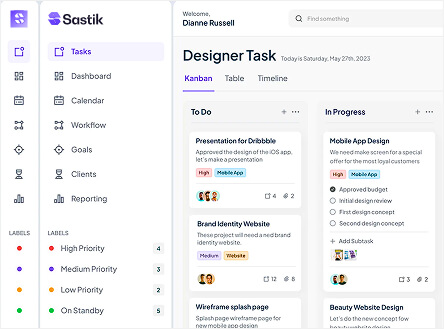


Find every service sending on your behalf, including the ones nobody documented, before you tighten policy.



Flatten bloated records, stay under the ten lookup cap, and add new senders without editing DNS by hand.



Move from monitoring to quarantine to reject on evidence, with a safety check before every policy change.


See which sources are spoofing your domain, where they operate, and how the pattern shifts from one week to the next.



Aggregate and forensic data turned into plain findings, so the next step is obvious without parsing XML.












Reporting and authentication data held in region, under local law.

The entire platform in Arabic, not a partial translation of the interface.

Spot third parties sending on your behalf with weak or missing alignment.

Every DNS change is checked against live sending data before it goes out.

Hundreds of domains and subdomains kept consistent under one policy set.

An assistant that reads your reports and tells you what to fix first.






[Headline outcome — e.g. weeks from p=none to p=reject]
[Approved customer quote goes here. Key phrase highlighted like this. Not yet supplied.]

[Role, Organisation]

[Headline outcome — e.g. share of mail authenticating]
[Approved customer quote goes here. Key phrase highlighted like this. Not yet supplied.]

[Role, Organisation]
[Headline outcome — e.g. unknown senders found in week one]
[Approved customer quote goes here. Key phrase highlighted like this. Not yet supplied.]

[Role, Organisation]
[Headline outcome — e.g. domains brought under one policy]
[Approved customer quote goes here. Key phrase highlighted like this. Not yet supplied.]

[Role, Organisation]
[Headline outcome — e.g. SPF lookups removed]
[Approved customer quote goes here. Key phrase highlighted like this. Not yet supplied.]

[Role, Organisation]
[Headline outcome — e.g. spoofing attempts blocked monthly]
[Approved customer quote goes here. Key phrase highlighted like this. Not yet supplied.]

[Role, Organisation]
Billed
annually


Custom
Talk to sales
For teams getting their first clear view of who is sending email as their domain.
 DMARC aggregate reporting
Forensic reporting
TLS reporting
Up to 5 domains
Standard support
DMARC aggregate reporting
Forensic reporting
TLS reporting
Up to 5 domains
Standard support
Custom
Talk to sales
For teams ready to automate their records and push policy through to enforcement.
 Everything in Core
Smart SPF, DKIM and DMARC
Hosted BIMI and MTA-STS
Up to 10 domains
Advanced support
Everything in Core
Smart SPF, DKIM and DMARC
Hosted BIMI and MTA-STS
Up to 10 domains
Advanced support
Custom
Talk to sales
For teams getting their first clear view of who is sending email as their domain.
DMARC aggregate reporting
Forensic reporting
TLS reporting
Up to 5 domains
Standard support
Custom
Talk to sales
For teams ready to automate their records and push policy through to enforcement.
Everything in Core
Smart SPF, DKIM and DMARC
Hosted BIMI and MTA-STS
Up to 10 domains
Advanced support



 Reports you still have to decode yourself. SPF and DKIM edits done by hand in DNS. Separate tools for BIMI, MTA-STS and TLS-RPT. Data stored outside the region. English-only dashboards. Enforcement decisions you make alone.
Findings written in plain language. Records managed for you, safely. BIMI, MTA-STS and TLS-RPT included. Data held in the UAE. A full Arabic interface. A guided path to p=reject.
Reports you still have to decode yourself. SPF and DKIM edits done by hand in DNS. Separate tools for BIMI, MTA-STS and TLS-RPT. Data stored outside the region. English-only dashboards. Enforcement decisions you make alone.
Findings written in plain language. Records managed for you, safely. BIMI, MTA-STS and TLS-RPT included. Data held in the UAE. A full Arabic interface. A guided path to p=reject.Still not sure where your domain stands? Talk to our team.
Yes. You can point your domains at the platform and watch real reporting data come in before any commitment. Most teams have a full picture of who is sending as them inside the first week, which is usually enough to decide.
It depends on how many services send on your behalf. Most organisations spend a few weeks at p=none while sources are identified and aligned, then step through quarantine to reject. We show you what is still failing at each stage, so the call is made on evidence rather than a calendar.
Not if the groundwork is done. The risk comes from enforcing before every legitimate sender is aligned. DMARCS keeps a live inventory of your sending sources and flags anything that would fail, so you only tighten policy once the data says it is safe to do so.
In the UAE. Authentication and reporting data stays in region, which matters for organisations working under PDPL and sector regulators. If your obligations require a specific jurisdiction, raise it during onboarding and we will confirm what is possible.
Yes. The full interface is available in Arabic rather than a partial translation. Regional teams can manage domains, read reports and action findings without switching language or relying on someone else to interpret the platform for them.